First day of exchange and workshops
The fourth annual consortium meeting was held in the Basque Country, from 5 to 7 October, inviting partners to discover the region, its culture and the climate challenges it faces, narrated by locals. In this blog, we will explore their stories and the solutions discussed for how to face these climate hazards.
The meeting opened with a reminder that climate risks cross borders. In his opening speech, Adolfo Uriarte Villalba, Director of the Department of Natural Heritage, Climate Change Adaptation at the Basque Government, said: “The weather knows no borders: we share ecosystems, we share risks, and we share the responsibility to act together.”
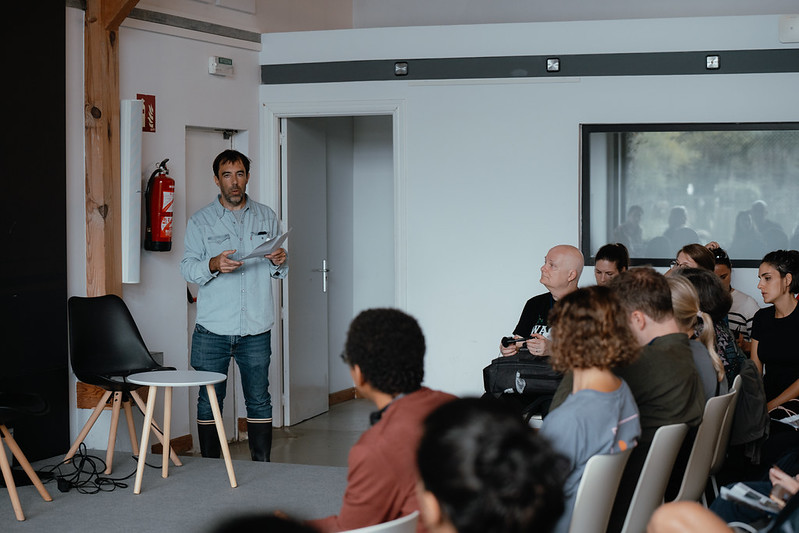
That message of cooperation carried into a presentation by Dr. Athanasios (Thanasis) Sfetsos of NCSRD Demokritos. He presented an analysis of the Basque Country, South Aquitaine, and Tuscany, and concluded that technology alone would not be enough to address their climate challenges. Stronger coordination, greater citizen engagement, and more robust legal frameworks are also needed. In the workshops that followed, partners discussed how regions facing similar challenges could learn from one another, leaving room for discussions on the second day.
AZTI facilities and Pasaia
After a morning of insightful presentations and fruitful discussions, workshops and exchanges, partners travelled to Pasaia, in Gipuzkoa, to visit AZTI, a Basque science and technology centre specialising in the marine environment and food. There, they learned how long-term observations, advanced models, specialised infrastructure and work at demonstration sites help regions anticipate climate impacts and choose effective adaptation pathways.
At the facilities, partners saw some of the equipment AZTI uses to monitor the ocean, including gliders and autonomous surface vehicles. One example was the SeaExplorer, a torpedo-shaped underwater glider fitted with sensors to collect data from the water column. These observations help researchers track ocean conditions and inform work on anticipating extreme events, planning climate adaptation and offshore renewable energy, and managing fisheries sustainably.
From AZTI the consortium continued by boat to visit the beautiful fishing village of Pasaia to explore climate adaptation at the municipal level.
Pasaia, due to its specific location, a narrow channel leading to an inner bay, suffers from sea-level rise and storm surges that endanger the historic, low-lying waterfront districts (Pasaia San Pedro, Pasaia Donibane, and Trintxerpe).
Imagine waking up, opening your front door, and finding the Atlantic Ocean on your doorstep. This is the life of the locals who face this threat.
In the historic waterfront, rising sea levels and high tides flood centuries-old history and squares. Meanwhile, in the dense, concrete working-class neighbourhood of Trintxerpe, a lack of green space turns summer heatwaves into a suffocating trap for local elderly residents.
But Pasaia refuses to be swallowed by the sea, so they’ve introduced adaptation solutions such as:
- Elevating the historic piers and pedestrian walkways,
- Using buoys that collect and send real-time data to give residents early warnings before storm surges,
- Transforming public buildings into climate refuges.
After exploring Pasaia, the consortium headed to Albaola Itsas Kultur Faktoria Museum (The Sea Factory of the Basques). Far more than a standard museum, this is an active, living shipyard dedicated to keeping ancestral maritime craftsmanship alive.
The consortium got to see one of their ongoing projects up close: the restoration of the Ozentziyo. Rescued from being scrapped, this iconic boat is celebrated as the last traditional wooden tuna-fishing boat from the port of San Sebastián. Built entirely of wood, it stands as a living symbol of Basque inshore fishing heritage. Albaola is meticulously renovating it using traditional shipwright techniques, intending to return this legendary boat to the water so it can sail the ocean once more.
Ending the Consortium meeting in the Bay of Saint-Jean-de-Luz and its high waves
The third and final day of the annual consortium meeting started with a trip to South Aquitaine in France.
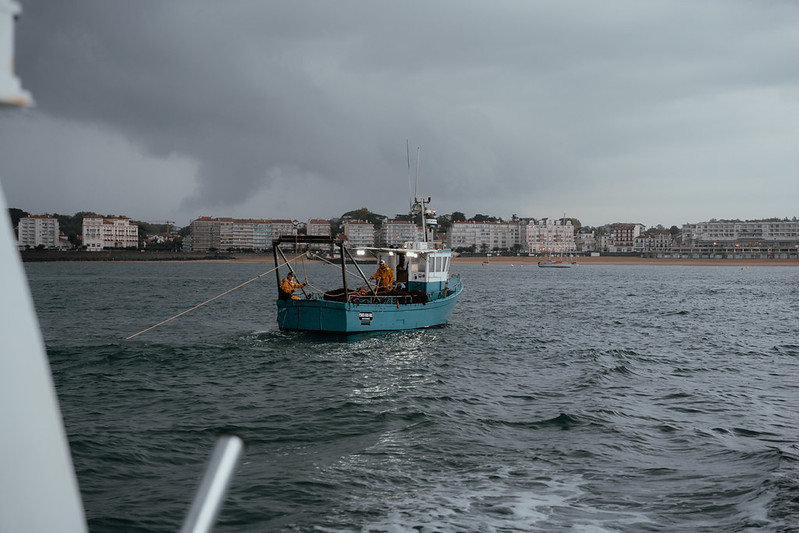
Partners started with a boat trip in the Bay of Saint-Jean-de-Luz, where local representatives shared insights into the climate challenges affecting the coastline, including powerful waves, coastal erosion and flood risks. The visit offered a valuable perspective on how local actors monitor these natural processes and prepare to respond when needed.
And how are they doing this? For this demonstration site, the integrated early warning system utilises predictive models to provide multi-day forecasts of coastal conditions, enabling an accurate assessment of local impacts to directly guide emergency safety procedures.
Wetlands and biodiversity
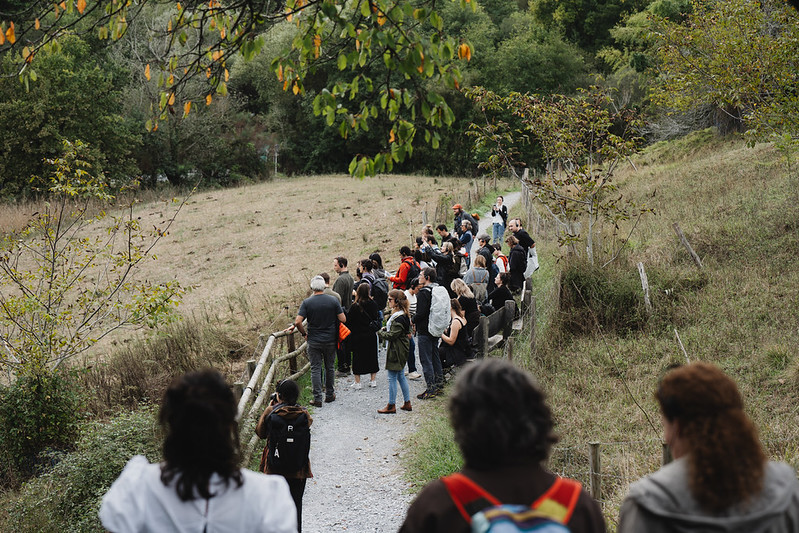
The consortium ended the visit at the Jaizubia marshes and Plaiaundi Ecological Park, stopping at Ekoetxea Txingudi, which is dedicated to local flora and fauna. attendees explored the biodiversity of these protected wetlands and learned about Regions4Climate partners’ wetland restoration work.
Thank you to our Basque and French partners, and especially to the Basque Government, for organising the visits and sharing the region’s culture, food and local work on climate resilience.