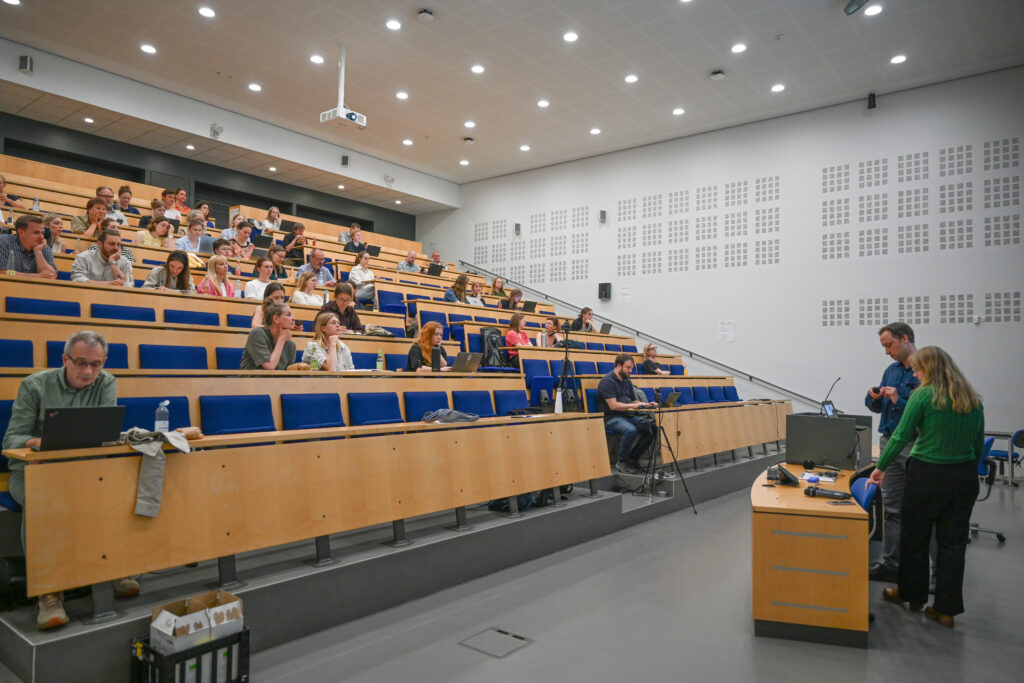
Climate adaptation is no longer just a technical or environmental challenge: it increasingly shapes our cities, coastlines, and everyday lives. However, climate risks and adaptation measures often affect social groups unevenly. To address these critical issues of justice, vulnerability, and inclusion, a mini-conference focused on the social aspects of climate adaptation was held on 2 June at the University of Copenhagen’s Frederiksberg Campus.
The event brought together researchers and practitioners to foster much-needed dialogue and exchange knowledge across sectors and governance levels.
Diverse Perspectives from Research and Practice
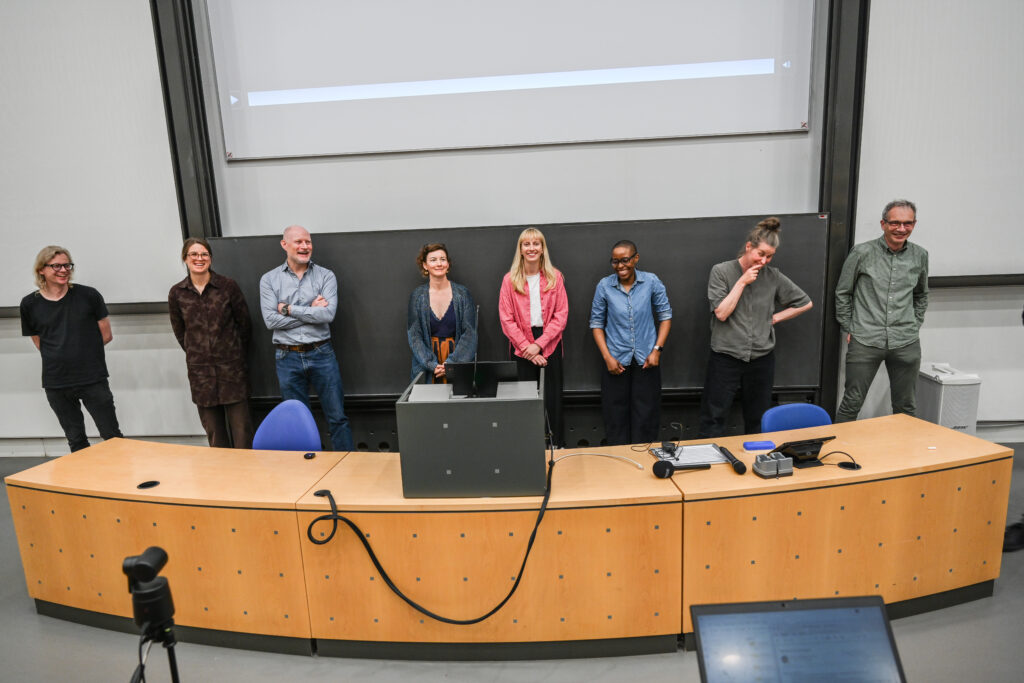
Co-hosted in collaboration with Mark Randall, the conference featured eight 15-minute presentations that offered a wide range of inspiring insights from both the latest academic research and real-world municipal practices.
The sessions covered several profound and timely themes, including:
- Social Vulnerability: Examining climate vulnerability both locally and within a broader European context.
- Climate Justice and Equality: Discussing how to design attractive cities with green water management solutions while keeping social justice at the forefront.
- Inclusive Decision-Making: Exploring participatory approaches and methods to include underrepresented voices in planning and design processes.
- Transformative Pathways: Addressing actionable steps toward more socially just and transformative approaches to climate adaptation.
Moving Toward a Just Transition
A major takeaway from the day was the clear depth and substance of this topic. As “climate adapters,” there is a significant opportunity to dig deeper and truly reflect on what concepts like a “just transition” and “vulnerability” mean within our daily work. To achieve this, the event highlighted the absolute necessity of strengthening the ongoing dialogue between research and practice, ensuring social dimensions are systematically integrated into climate planning at all levels.
About the Organisers
The conference was organised by DNNK (Det Nationale Netværk for Klimatilpasning) in collaboration with Regions4Climate, a Horizon Europe initiative dedicated to developing socially just and resilient regions across Europe. The Danish partners driving the Regions4Climate project include the University of Copenhagen, the Danish Coastal Authority, and VIA University College.
Thank you to everyone who attended, shared their expertise, and took part in these vital discussions. Let’s keep this fascinating and incredibly important conversation going!